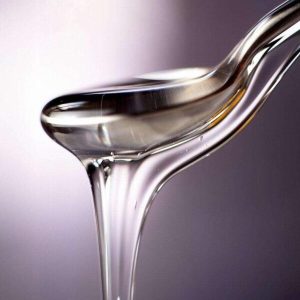
Natural Liquid Glucose Syrup
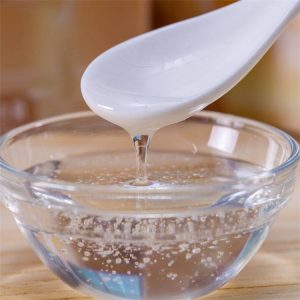
Liquid glucose syrup is a versatile, economical sweetener and humectant ingredient utilised across the food industry. Derived from starch, this clear liquid sweetener provides an array of functional properties beyond just sweetness.
When used in manufacturing, liquid glucose can enhance moisture retention, texture, viscosity, freezing point, shelf life, and prevent sugar crystallisation. This detailed guide explores how natural liquid glucose is produced, common grades and specifications, advantages over granulated sugar, diverse applications in food production, purchasing considerations, and usage best practices.
Production Process for Wholesale Natural Liquid Glucose Syrup
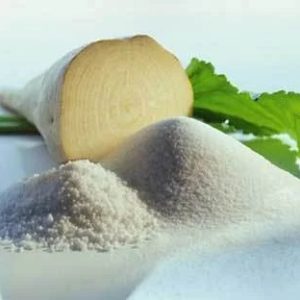
Liquid glucose syrup starts with extracting starch from edible grains like corn, wheat, tapioca, or potatoes. The starch is then broken down into glucose molecules through enzymatic hydrolysis.
This involves using natural enzymes like amylase, glucoamylase, or pullulanase, which cleave the starch chains into glucose. Additional steps like filtering, concentrating, and refining produce final liquid glucose syrups with varying properties depending on target applications.
Advantages of Using Wholesale Natural Liquid Glucose Syrup Over Granulated Sugar
Liquid glucose syrup offers several functional advantages compared to regular granulated cane sugar:
- Humectant Properties – Glucose syrup has a strong moisture retention ability to prevent staling or drying in baked goods, icings, soft chews, etc. This moisture management capacity surpasses granulated sugar.
- Inhibition of Sugar Crystallisation – The glucose interferes with sucrose crystal formation. This helps produce smooth, stable syrups, fondants, jellies, frozen treats, and more without grittiness.
- Texture Enhancement – The liquid format smoothly blends into fillings, sauces, beverages, confections, and dairy for viscosity and body. Granulated sugar can leave a detectable crunch.
- Lower Sweetness Intensity – Glucose only has about 30-50% of the sweetness of sucrose. This allows for formulating reduced sugar products with milder sweetness.
- Shelf Life Extension – By binding moisture, liquid glucose maintains softness and flexibility in products over time, preventing staling.
- Freezing Point Depression – In frozen foods, glucose lowers the freezing point to give a smoother, creamier texture with reduced iciness.
- Fat Bloom Prevention – In chocolates, glucose helps prevent discolouration and fat separation for improved shelf life.
Clearly, liquid glucose provides unique synergies beyond just sweetening across an array of applications.